You’re sitting at your desk thinking about growing your business. You’ve got big plans-new equipment, more staff, maybe a bigger location. But your bank account? Not cooperating. That’s when the idea hits you. A small business loan could solve this. But before you jump in, you really need to understand the pros and cons of small business loans. Because this isn’t just about getting money. It’s about whether that money will actually help or hurt your business.
Most business owners never think it through properly. They see a small business loan and think “free money.” Then six months in, reality crashes down. The monthly payments eat your profits. You realize you didn’t need that loan in the first place. Or worse-the loan helped, but the debt burden isn’t worth it. That’s why understanding the pros and cons of small business loans matters so much before you even apply.
What Makes a Small Business Loan Actually Helpful?
Speed. That’s really the first thing that gets people excited about a small business loan. You need capital, and you need it fast. With a small business loan, you get it. Not in five years when you’ve saved enough. Now. That matters because opportunities don’t stay open forever.
Think about what happens when a good opportunity shows up. You find the perfect location for expansion. The landlord wants a decision within days. Or you get a bulk order that could triple your revenue, but you need inventory money immediately. Without a small business loan, you’re frozen. You miss it. Life moves on. With one? You sign, you buy, you grow. The speed gives you an actual competitive advantage.
Getting approved for a small business loan also does something interesting to your business’s future. The lenders see that you borrowed and repaid responsibly. Your business credit improves. When you need bigger money later, doors open. Banks take you seriously. This matters way more than people realize.
There’s also something about tax time that makes small business loans different. Your interest payments? Tax deductible. That lowers your actual cost of borrowing. A personal loan doesn’t give you this. Credit card debt doesn’t either. Only business loans get this treatment.
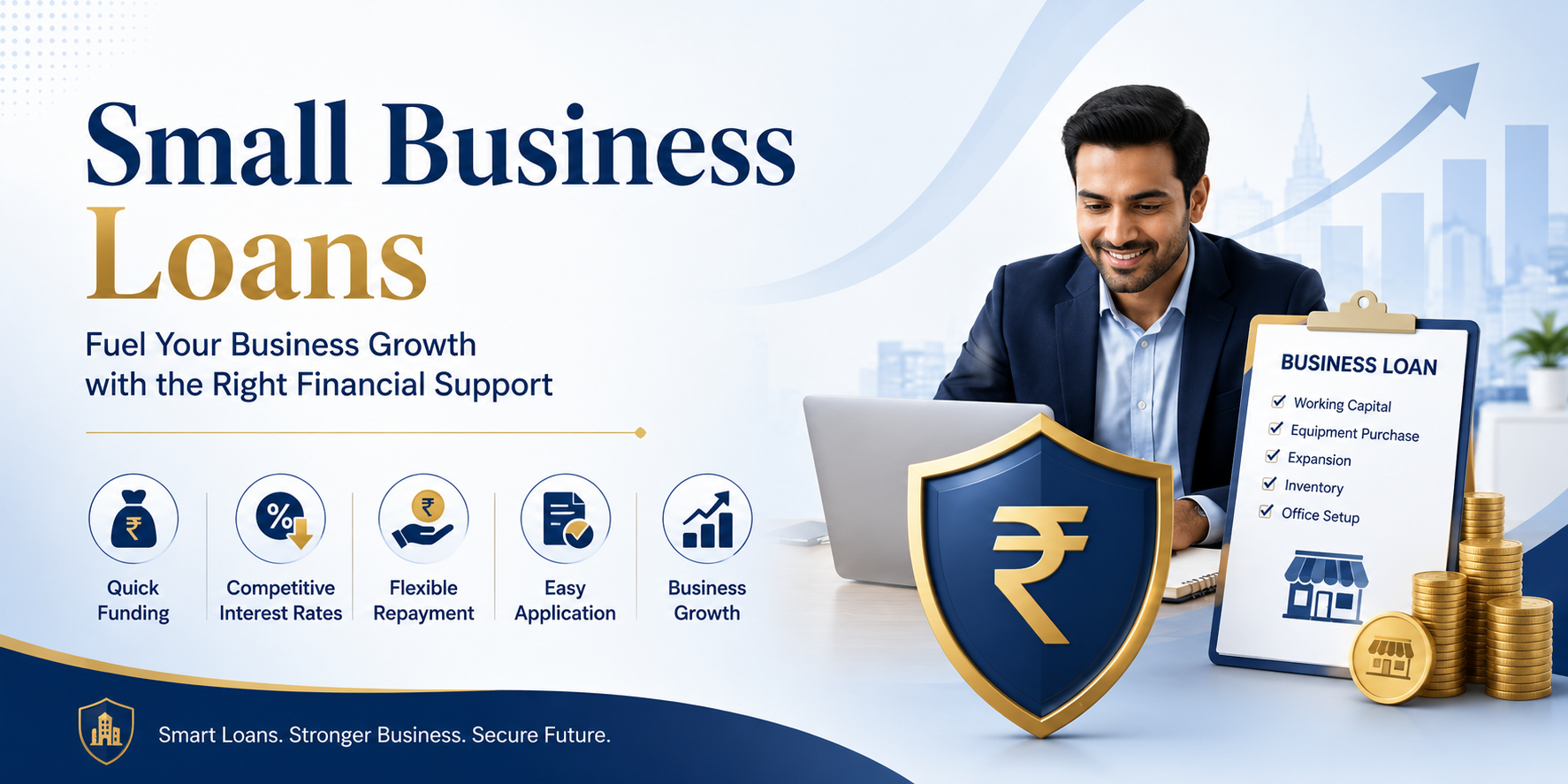
And honestly, the amounts matter. Credit cards max out at 5-10 lakhs usually. Personal loans get you maybe 10-20 lakhs. But a small business loan? You can borrow 50 lakhs, a crore, sometimes more. If you need serious capital, a small business loan is often your only option. That access to larger amounts changes what’s possible for your business.
So when people ask what’s attractive about small business loans, there’s a lot happening. Getting money immediately when you need it. Knowing your payments stay the same every month so you can plan. Interest rates that are actually lower than what you’d pay on a credit card. Tax breaks on the interest. Building your business’s credit. Getting access to real money, not just small amounts.
A business loan to apply for through official channels means your company’s credit history starts building. This is huge. Future lenders look at that history. They see you borrowed, you repaid on time, you’re reliable. That opens doors.
But What About the Serious Downsides?
Here’s the thing nobody wants to talk about. You get the money. Great. But you have to give it back. All of it. With interest. Every single month. Forever basically. Or at least for however long the loan term is.
That’s not theoretical. That’s actual money leaving your account every month. And here’s what makes it brutal-you have to pay it whether business is good or bad. Your revenue drops fifty percent one month? The bank doesn’t care. They still want their payment. Your biggest client disappears? Still have to pay. That’s debt. That’s real responsibility.
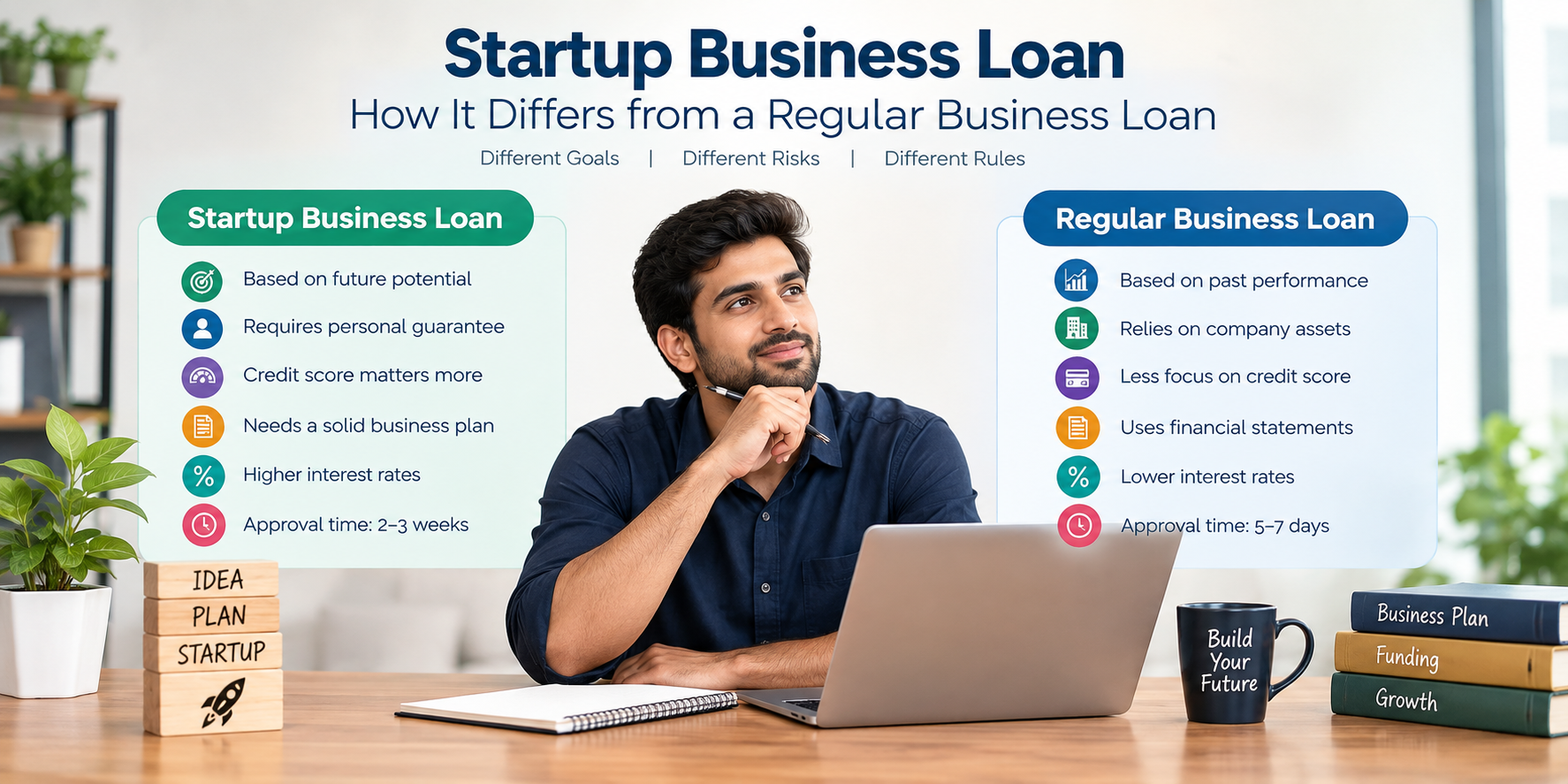
Let me explain something that terrifies most entrepreneurs. Many lenders won’t give you a business loan without a personal guarantee. Know what that means? If your business tanks and can’t repay, they come after you personally. Your house. Your savings. Your car. Everything you own personally becomes collateral. That’s not just financial pressure. That’s life-changing fear.
The application process itself is brutal. Banks want everything. Tax returns for multiple years. Complete business financial statements. Cash flow projections. Personal credit reports. A detailed business plan. Sometimes bank statements. Sometimes personal asset lists. It’s exhausting. It’s invasive. It takes weeks.
And once you get the money? Cash flow pressure sets in. Your business needs to generate enough income to cover the loan payment AND still make profit AND still cover all other expenses. That’s a lot of pressure.
Some lenders also sneak in prepayment penalties. You want to pay back early and save on interest? They charge you for it. Seriously. It’s in the fine print and most people miss it. So you can’t even escape early if your business does really well.
The real downsides of a small business loan? You’re betting on your business performing well enough to handle the debt. If it doesn’t, you’re personally liable. The application process demands exhaustive documentation. Your cash flow gets stretched thin. And you’re locked into payments regardless of what happens.
How Do Business Loan Apply Online Options Change Everything?
Online lending did something interesting. It made business loans accessible to people traditional banks rejected. That’s actually huge because banks are picky. Really picky. They want perfect credit. They want multiple years of profit. They want collateral.
Online lenders? Different game. They approve faster. Like, way faster. You fill out a form online. Upload documents digitally. Get approved the same day sometimes. Funding shows up the next day. Traditional banks take weeks. Online is overnight basically.
But here’s what you’re actually paying for that speed. Higher interest rates. Significantly higher. A bank might charge you 9-12 percent. An online lender charges 15-20 percent sometimes. That’s a massive difference over years of repayment. You get speed but you pay for it.
The trade-off is real. Speed and convenience or lower costs. Pick one basically. Some people need money fast and don’t care about the extra cost. Others can wait a few weeks to save thousands in interest. There’s no right answer-just different situations.
| Factor | Traditional Small Business Loan | Online Business Loan |
| Time to Approval | 7-14 days | Same day usually |
| Interest Rates | 9-13% typically | 15-20% typically |
| Documentation Required | Extensive and thorough | Basic usually |
| Collateral Needed | Most require it | Many don’t require it |
| Approval Odds | Stricter requirements | More flexible |
| Personal Interaction | Meetings with officers | Completely digital |
| Funding Speed | 2-4 weeks after approval | 24 hours usually |
Online lending works better for some situations. Traditional banking works better for others. You need to match your actual situation to what each type offers.
Should Your Business Actually Borrow Money Right Now?
This is the real question. Not “can I get a loan” but “should I get a loan.” Two completely different things. Not every business should borrow. Seriously. Sometimes staying small and debt-free is the smarter move.
Your situation determines this. If your business is stable and growing, borrowing makes sense. You invest the money, generate returns, pay back the loan, keep the profit. Simple math. But if your business is shaky? If revenue is uncertain? Borrowing creates a trap. You still owe money even when things get rough.
Look at your real numbers. Not hopes. Not projections. Real numbers from the last year. Can your business comfortably pay the loan monthly? Will the investment you’re making actually generate enough income to justify the debt?
Think about slow months too. Every business has them. Summer or winter might be dead. Holiday season hits differently. Can you handle loan payments during slow periods? If you’re not sure, you’re probably not ready. Borrowing requires confidence, not hope.
What to Check Before Applying for a Small Business Loan
Shop around. Seriously. Don’t talk to one lender and accept their offer. Talk to five. Interest rates vary wildly between lenders. That 2% difference sounds small until you calculate it. Over five years on a 10 lakh loan, 2% is tens of thousands of rupees. Shop around.
Calculate your total cost. Take your monthly payment. Multiply by the number of months. That’s what you’ll pay back. That’s the real number you’re committing to. Many people ignore this and get shocked later.
Read everything. The fine print especially. Prepayment penalties. Origination fees. Processing charges. Late payment fees. Insurance requirements sometimes. It’s all hidden in there. Know exactly what you’re paying.
Ask about flexibility too. What if business grows fast and you want to pay early? Do they charge penalties? What if you hit a rough month and need to delay payment? Can you defer without huge penalties? These questions matter when reality doesn’t match your plans.
Frequently Asked Questions
1. What interest rate should I expect on a small business loan?
Traditional banks charge 9-13% annually while online lenders charge 15-20% depending on your credit and business history.
2. How quickly can I get funded with a business loan apply online?
Most online lenders approve within 24 hours and fund the next business day, while traditional banks take 2-4 weeks total.
3. Do I need collateral for every small business loan?
Traditional lenders usually require collateral while online lenders often provide unsecured loans at higher interest rates.
4. What happens if my business defaults on a small business loan?
Lenders with personal guarantees can pursue your personal assets, house, and savings to recover the loan amount legally.
5. Can I pay back a small business loan early without penalties?
Some lenders allow penalty-free prepayment while others charge fees, so check the exact terms before accepting any business loan offer.
Follow us on Instagram, LinkedIn , Facebook, and X (Twitter) for expert mutual fund insights, investment tips, and the latest financial updates.